
Medical Dermatology
Acne treatment that looks past the surface.
Acne is one of the most common reasons people see a dermatologist, and one of the most commonly undertreated. The goal is to control it early enough to protect the skin from lasting marks and scarring.
Overview
Understanding acne
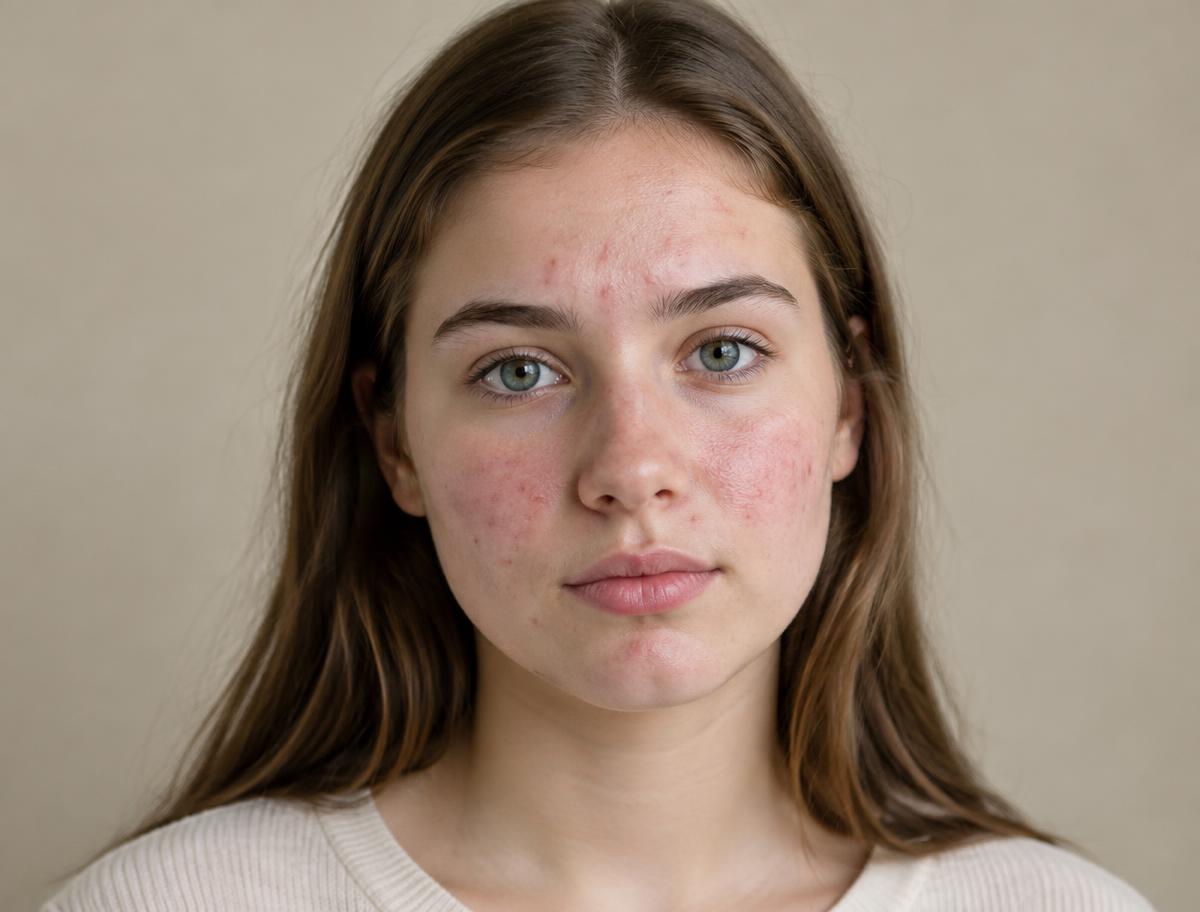
Acne develops when follicles become plugged with oil and skin cells, bacteria multiply within them, and the surrounding skin becomes inflamed. It can appear as blackheads and whiteheads, tender red papules, deeper nodules or cysts, or a mix of all of these.
Acne is not caused by poor hygiene, and it is rarely solved by scrubbing harder. Hormones, genetics, follicle biology, certain medications and some skin and hair products all contribute. What works depends on which of those factors is driving your acne.
Because acne is usually a chronic condition rather than a single event, treatment is planned in phases: bringing active breakouts under control, then maintaining that control, then addressing marks and scarring once the skin is calm.
Signs
What you might notice
- Blackheads and whiteheads, particularly across the forehead, nose and chin
- Tender red bumps or pustules on the face, chest, shoulders or back
- Deeper, painful nodules or cysts that last for weeks
- Dark marks or redness that linger after a breakout resolves
- Textured or indented scarring
- Flares that follow a hormonal pattern
Care
How we treat it
Topical therapy. Retinoids, benzoyl peroxide, topical antibiotics and other prescription topicals, used in combinations chosen for your skin type and tolerance.
Oral medication. Antibiotics for a limited course, hormonal therapies such as spironolactone or combined oral contraceptives where appropriate, and isotretinoin for severe or scarring acne.
In-office procedures. TheraClear X, which pairs vacuum and broadband light; chemical peels; extractions; and intralesional injections for individual inflamed cysts.
Scarring and marks. Once active acne is controlled, microneedling, subcision, chemical resurfacing and laser treatments may be used to improve texture and discoloration.
Skincare that supports treatment. A simple, non-irritating routine and daily sun protection, plus honest guidance on which products are worth buying and which are not.
Evaluation
How it’s diagnosed
Acne is diagnosed clinically. Dr. Gaul examines the involved skin, identifies which types of lesions are present and where, and reviews your history: how long it has been going on, what you have already tried, your skincare and hair products, medications and supplements, and any hormonal pattern.
In selected cases — particularly sudden or unusually severe acne, or acne accompanied by other symptoms — laboratory work may be recommended to look for a contributing cause. Most patients do not need testing.
This page is general education and is not medical advice, diagnosis or treatment, and it does not create a physician–patient relationship. Individual circumstances differ; please discuss your own skin with a qualified clinician. If you are having a medical emergency, call 911.
Questions
Frequently asked
Some treatments, particularly retinoids, can cause a period of increased dryness, irritation or breakouts in the first weeks. We will tell you what to expect in advance and how to manage it.
Yes, for appropriately selected patients with severe, scarring or treatment-resistant acne. It requires monitoring and enrollment in a federally mandated program, and we will review the risks and requirements with you in detail before starting.
Adult-onset acne is common, especially in women, and it often behaves differently than teenage acne. It deserves evaluation rather than another round of drugstore products.
Medical visits for acne are typically billed to insurance. Cosmetic treatments for scarring are generally not covered. We will be clear about which is which before anything is scheduled.

Let’s take care of your skin.
Whether something has changed, something has been bothering you for years, or you simply want expert guidance on keeping your skin healthy, we’re here to help.