
October 2026 edition · Skin tightening
XERF skin tightening: is it a laser, and what should I expect?
How radiofrequency differs from a laser, what it can realistically address, and questions to bring to your consultation.
Fall treatment planning · Patient education from Rapid City Dermatology & Mohs
Monthly edition date, not a claim of prior publication. General education; individual advice requires a visit.
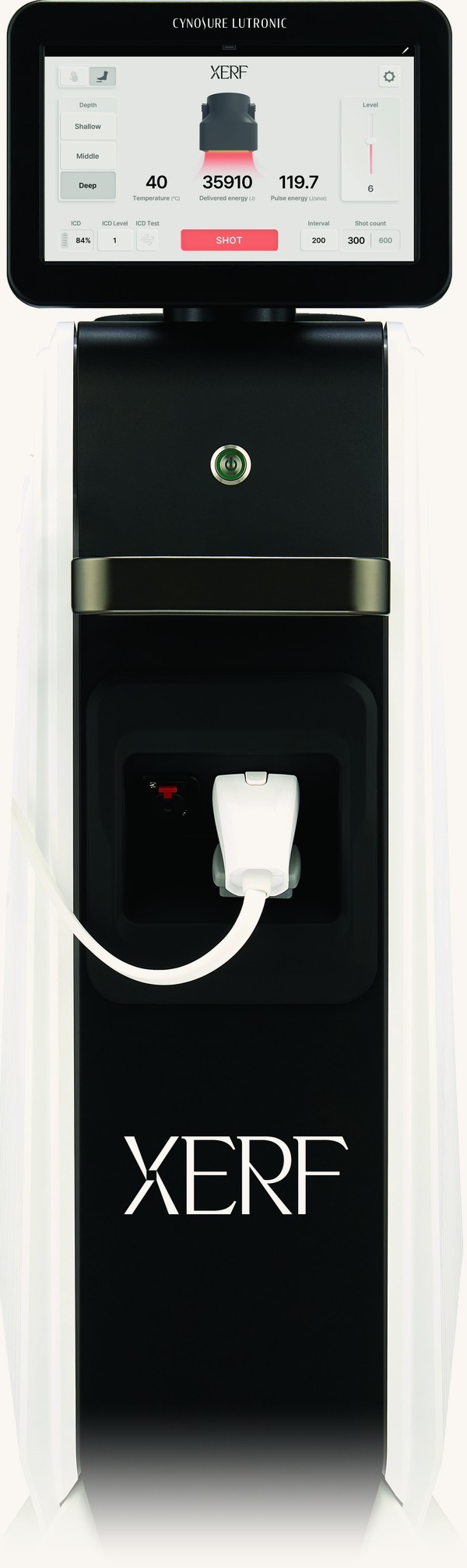
Is XERF a laser?
No. XERF uses radiofrequency energy rather than laser light. The manufacturer describes a non-invasive, dual-frequency monopolar radiofrequency system. It heats tissue in a controlled way to support collagen remodeling, without incisions or the needles used in radiofrequency microneedling.
That distinction matters: a laser resurfacing treatment and a radiofrequency tightening treatment are not interchangeable. Choosing between them starts with the concern—texture, scarring, pigment or laxity—not the newest device name.
Can it replace a facelift?
No. At this practice, XERF is considered for mild-to-moderate laxity and changes in firmness along areas such as the face, jawline and neck. It does not remove excess skin or reproduce a surgical lift. If your goal requires surgery, a series of energy treatments may not be the right use of your time or money.
Changes develop gradually over weeks to months, and the amount of improvement varies. Ask what an achievable result would look like for your anatomy, not just what a promotional photograph shows.
Does ‘no downtime’ mean no side effects?
No. Many patients return to normal activities quickly, but temporary warmth, redness, swelling or tenderness can occur. Heat-based treatment also has potential complications, including burns; your clinician should discuss suitability, settings and safety precautions before treatment.
Radiofrequency does not target pigment in the same way as many light treatments, but that is not a guarantee that every person or skin condition is suitable. Share your medical history, implanted devices and prior procedures during consultation.
How far apart are appointments?
Dr. Gaul generally recommends about eight weeks between repeat XERF treatments of the same area. This is the practice’s approach, not a universal schedule for every clinic or patient. The number of sessions and maintenance plan are individualized.
Before booking, ask about the treatment area, total plan, realistic recovery, potential complications and cost. October’s eczema-awareness theme is a separate medical topic: XERF is not presented here as a treatment for eczema.
Sources & further reading
Device descriptions include manufacturer information, which is not a guarantee of outcomes. Practice-specific timing and services reflect this website’s treatment information.
Related care
This page is general education and is not medical advice, diagnosis or treatment, and it does not create a physician–patient relationship. Individual circumstances differ; please discuss your own skin with a qualified clinician. If you are having a medical emergency, call 911.