MOHS SURGERY
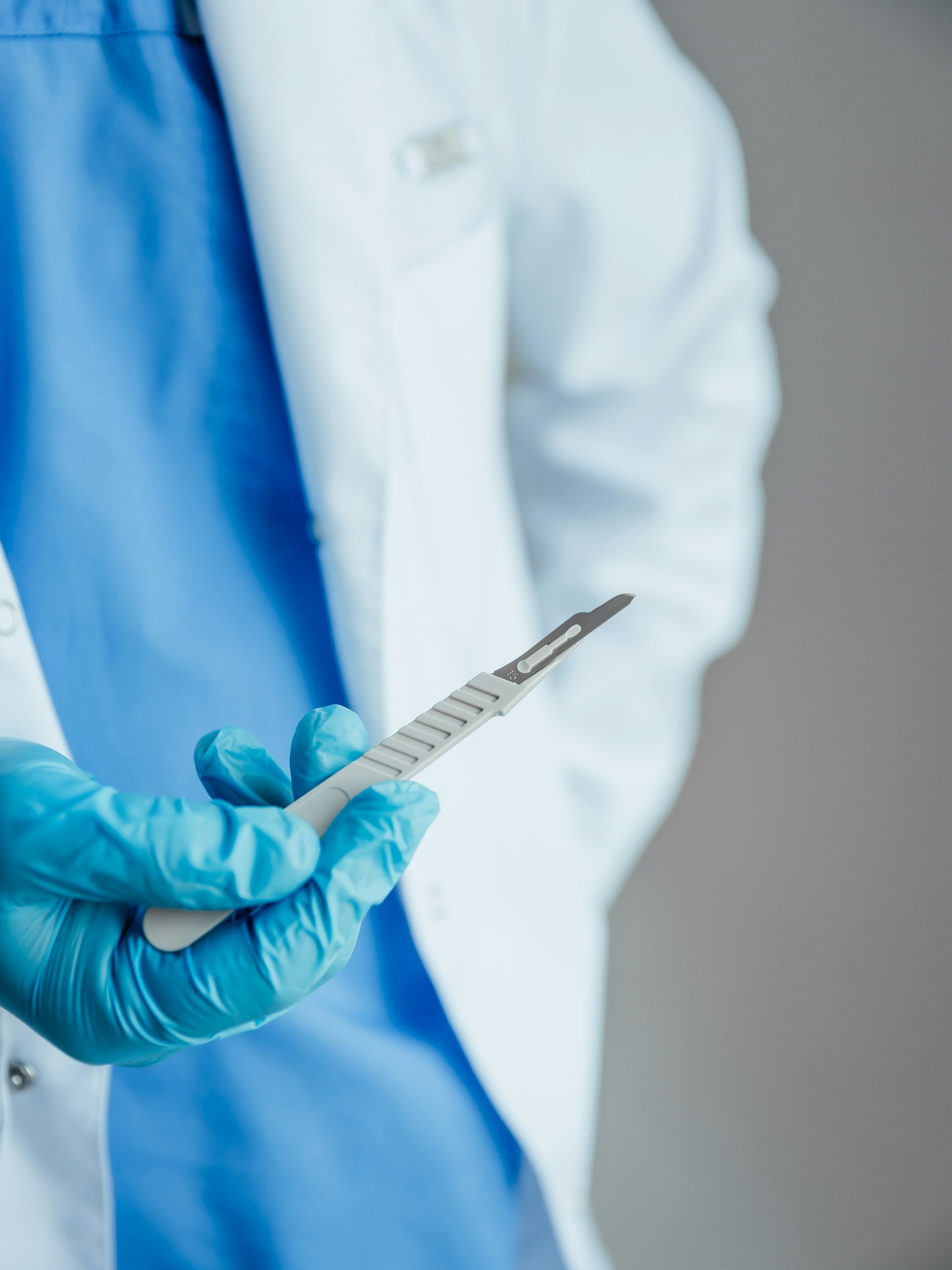
Mohs Surgery is a highly specialized procedure for the total removal of skin cancer. There are three surgical steps to each layer or pass of Mohs Surgery:
1) The surgical removal of the visible portion of the skin cancer with excision or curettage.
2) The surgical removal of a thin layer of tissue at the bed and complete outer margin of the cancer.
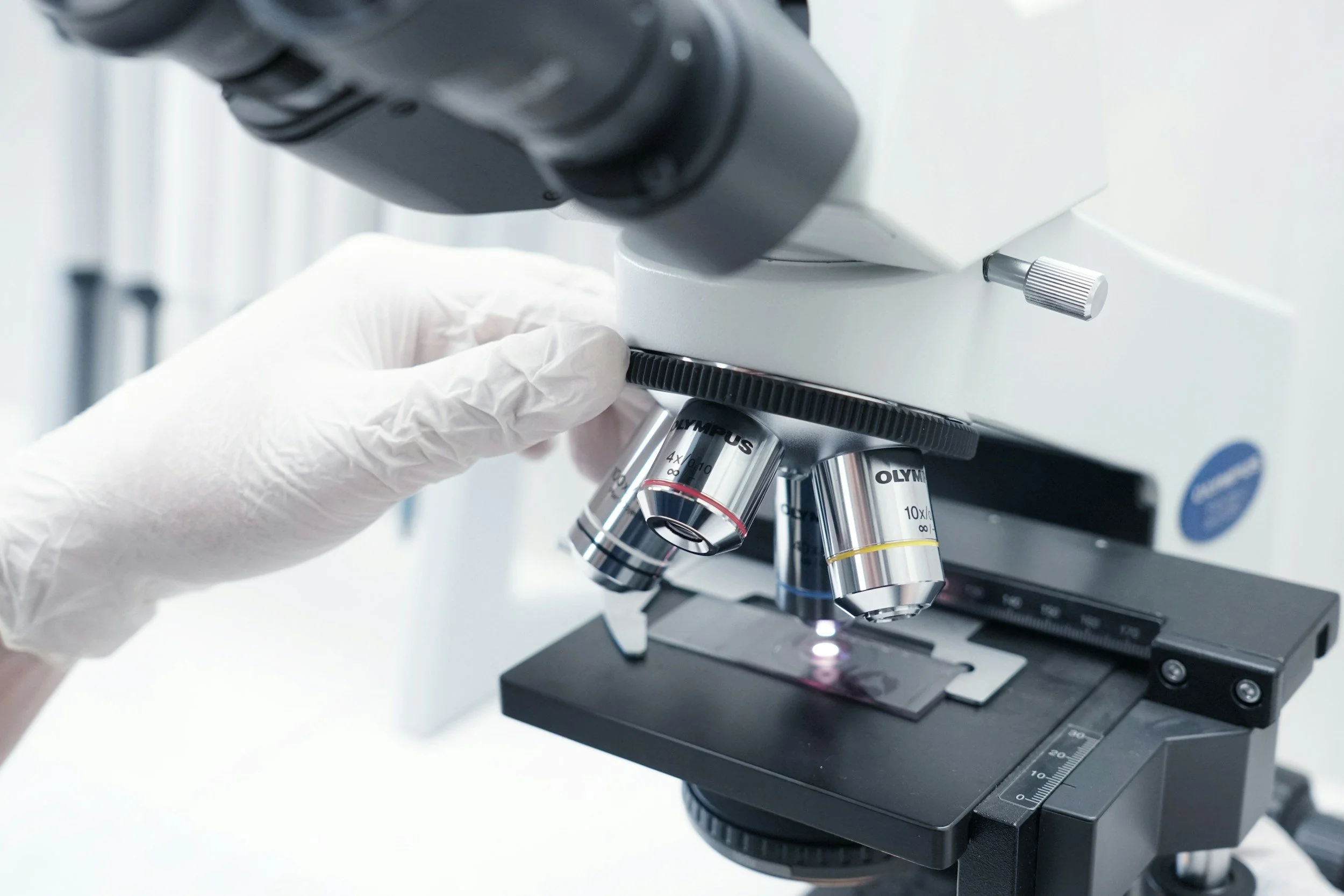
3) The examination of the excised tissue by your surgeon under the microscope once it has been processed in our lab.
By examining the entire periphery (deep and edges of the skin like the outside of a bowl) of the tissue, the surgeon is able to trace out and locate any additional areas of cancer remaining. Before the tissue is examined, it is marked with colored dyes to distinguish top from bottom and right from left. By doing this, we are able to pinpoint the location of any remaining tumor during the microscopic examination. If more cancer is present, the procedure is repeated. Only the area of remaining cancer is removed.
ADVANTAGES OF MOHS SURGERY
Using microscopic examination, the surgeon pinpoints areas involved with cancer and selectively removes only those areas. In this way, skin cancer is traced out to its roots. This results in preserving as much normal tissue as possible with the highest chance for cure.
THE HIGHEST CHANCE OF CURE - MOHS SURGERY
Because Mohs surgery uses complete systematic microscopic control to search out the roots of the cancer, it cures almost all patients (97-99% depending upon type of cancer) - even those in whom skin cancer has persisted in spite of several other treatments.
General excisions sent to a pathology lab are cut differently and only a small portion of the margins is checked for cancer in comparison. Margins we take are larger in order to get a rate of approximately 95% clear margins.